
Overview of Hera and The Mystery Religions: Connections to Eve
The Greek word for gods is theoi, literally meaning placers. The Greek gods are deified human ancestors who established their man-centered religion. According to the Book of Genesis, Eve is the mother of all humans and Adam’s wife. In a hymn of invocation, the 6th-century BC lyric poet Alcaeus refers to Hera as “mother of all.” As the first wife, the Greeks worshipped Hera as the goddess of marriage; as the first mother, the Greeks worshipped her as the goddess of childbirth. Greeks did not have a concept of a Creator.
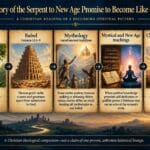
To the Greeks, the serpent was a friend of mankind who freed them from bondage to an oppressive God and was therefore a savior and illuminator of our race. The Greeks worshipped Zeus as both a savior and illuminator; they called him Zeus Phanaios meaning one who appears as light and brings light. The light that Zeus brought to the ancient Greeks was the serpent’s “enlightenment” that he received when he ate the fruit from the serpent’s tree.
The Greeks believed the promise that the serpent spoke to Eve at the tree in Genesis 3:5: “Not to die shall you be dying, for God knows that, in the day you eat of it, unclosed shall be your eyes, and you shall be as gods, knowing good and evil.” Adam and Eve became the gods Zeus and Hera.1
Could the stories of Greek gods originate in the Nephilim of Genesis 6?
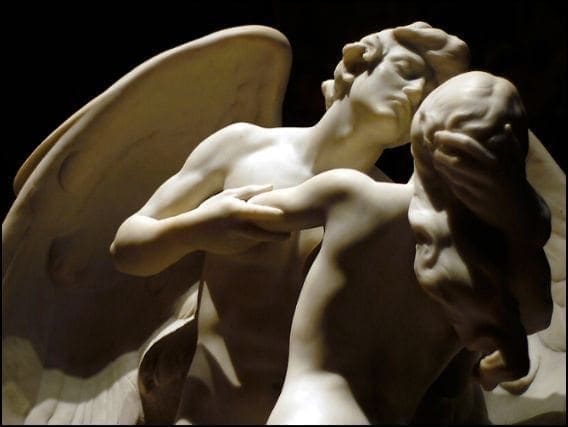
In Genesis 6, the Bible seems to suggest that ancient cultural mythology, including Greek and Roman mythology, may have drawn from historical accounts of misbehaving demons. In the days prior to the flood, demons (fallen angels) committed gross sin by mating with earthly women to produce an unnatural, powerful offspring called Nephilim:
The offspring of the demons (i.e., the “sons of God”) and earthly women were Nephilim. They were mighty men of ancient times and were men of renown, meaning their strength and accomplishments were legendary. Nevertheless, these “creatures” polluted the line of humanity, threatening God’s plan to produce a Messiah in the seed of men, so God brought the flood to the earth to destroy all flesh, including the Nephilim. Meanwhile, legends of these strange, powerful, human-like creatures lived on in ancient mythology.
Identity of Hera
- Title: Queen of the Gods
- Role: Goddess of marriage, women, and childbirth
- Family:
- Sister and wife of Zeus
- Daughter of the Titans Cronus and Rhea
Symbols and Depictions of Hera
- Sacred Animals: Peacock and cow
- Common Imagery: Often shown wearing a crown and holding a scepter
Characteristics of Hera
- Protective Role: Guardian of women, especially during childbirth
- Personality Traits:
- Known for jealousy and vengeance, particularly towards Zeus’s infidelities
- Often depicted as a powerful and regal figure
Cultural Significance of Hera
- Worship: Major deity in various Greek cities, especially Argos
- Festivals: Celebrated in events like the Heraia, which emphasized female empowerment
Relationships of Hera
- With Zeus: Complex and tumultuous, marked by conflict due to his numerous affairs
- Children: Mother of Ares (god of war) and Hephaestus (god of fire and craftsmanship), among others
Myths of Hera
- Notable Stories: Involved in many myths, including those surrounding the Trojan War and her conflicts with Zeus’s other offspring.
A Stormy Relationship: Zeus & Hera of Greek Mythology – Pride & Vengeance
Comparison of Hera and Eve
Overview
Hera and Eve are significant figures in their respective mythologies, representing foundational aspects of womanhood and motherhood.
| Attribute | Hera | Eve |
|---|---|---|
| Tradition | Greek mythology | Judeo-Christian tradition |
| Role | Queen of the gods, goddess of marriage | First woman, mother of humanity |
| Symbolism | Marriage, family, vengeance, and female sovereignty; Peacock | Innocence, temptation, and motherhood |
Cultural Significance of Biblical Values vs. Pagan Values
- Hera: As the queen of the Greek gods, Hera supposedly embodies the ideals of marriage and family. She is often depicted as a protector of women, particularly during childbirth. Hera’s complex character includes themes of extreme jealousy and vengeance.
- Eve: In the Judeo-Christian narrative, Eve is created as Adam’s companion and is central to the Bible’s revelation of humanity’s fall from grace. Eve is the mother of all living and the first to be deceived by the Serpent with the lie that wisdom would make one like God.
Shared Themes of Eve and Hera
Both Hera and Eve illustrate the multifaceted roles of women in their cultures:
- Motherhood: Both figures are associated with motherhood, with Hera being revered as the goddess of childbirth and Eve as the mother of all humanity.
- Complexity of Female Roles: Each character navigates societal expectations and personal challenges, while the Bible outlines a Godly woman versus the pride and vengeance of a woman not filled with the Holy Spirit.
In summary, Hera and Eve2 serve as powerful symbols of femininity, motherhood, and the intricate dynamics of their respective cultures.
Lessons from Hera’s Influence
While Hera’s nature reflects various cultural ideals, believers can find valuable lessons. Her tales often blend fidelity with jealousy and strife, offering cautionary lessons about the importance of faithfulness.
Consider the Old Testament narrative of Hosea. God commands the prophet to marry a promiscuous woman as a metaphor for how Israel treats Him. This illustrates deep lessons about commitment and love.3
Godly Womanhood vs. Mythological Ideals
Hera represents a particular view of womanhood steeped in mythology. Her powerful status contrasts with biblical principles defining womanhood. The Bible presents women as equal partners with significant roles in God’s design.
Proverbs 31 Woman
The biblical reference of the Proverbs 31 woman illustrates strength and virtue. She manages her household with wisdom and values her family deeply. Proverbs 31:30 honors such a woman, stating, “Charm is deceptive, and beauty is fleeting; but a woman who fears the Lord is to be praised.”
The Earth Goddess and Following Mystery Babylon Religions
In antiquity, throughout the Mediterranean world, the earth itself was worshipped as a goddess. While sky, sea, and underworld were assigned to male gods; Zeus, Poseidon, and Hades; the earth and its life-giving power belonged to a divine feminine figure. Known to the Greeks as Gaia, Rhea, Hera, or simply Mother Earth, this goddess was not revered for political authority but for her unique power to generate life…
From humanity’s earliest history, questions of origin, life, and death have driven religious inquiry. The ancient mystery cults4 taught that such knowledge was not available to all, but only to those admitted through initiation into an exclusive spiritual system. They claimed that understanding life’s deepest truths required secrecy, discipline, and ritual participation.
These cults: devoted to figures such as Demeter, Isis, Mithras, Dionysus, and Cybele; centered on deities believed to have passed through suffering, death, and triumph. Their myths functioned as sacred models to be studied and ritually imitated. Through initiation and devotion, followers sought hidden knowledge, divine encounter, and assurance concerning death and the afterlife. (The same lie as in the Garden of Eden: The Hidden Knowledge of the Serpent)
The Lie of the Garden for Wisdom and Becoming a god is a lie. Today it is moving like the Blob sucking up various mystical traditions which all have their roots in Babylon, the New Spritiuality is a very old lie.
Roots of New Age Spirituality, Mythology and Mystery Babylon
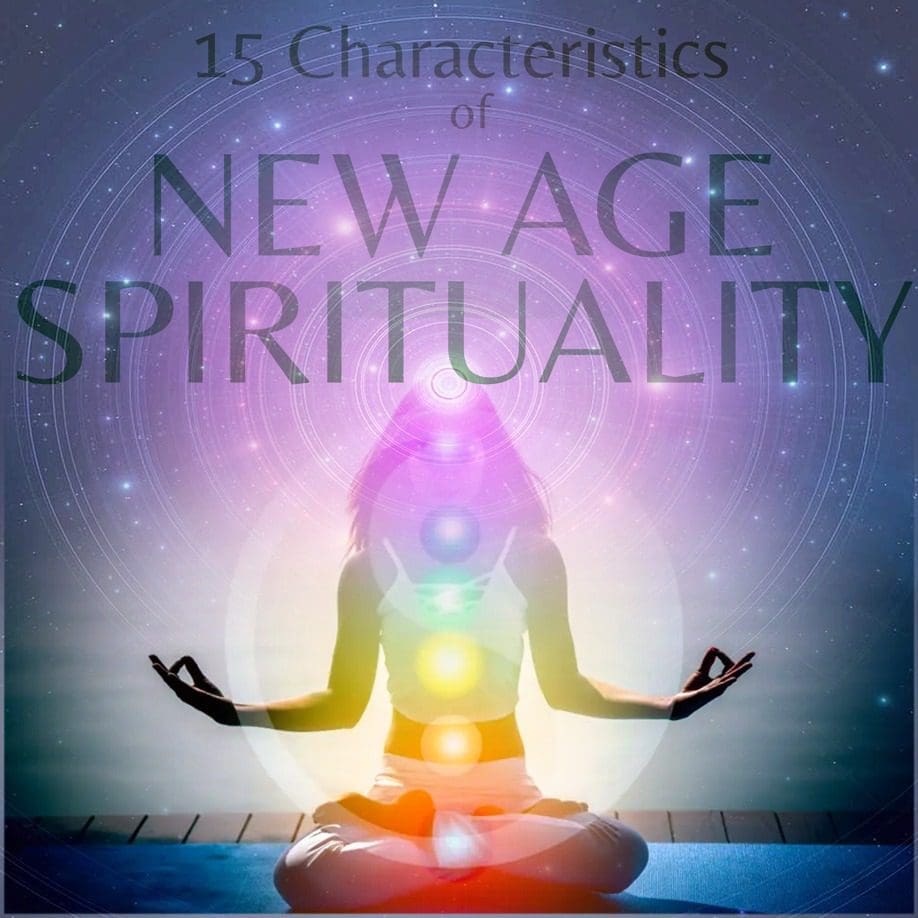
New Age spirituality draws from a variety of esoteric traditions, including elements of mythology and the concept of Mystery Babylon. This blending reflects a complex spiritual landscape rather than a single organized religion.
Influence of Mythology
- Eclectic Practices: New Age spirituality incorporates various mythological elements, often merging ancient beliefs with contemporary practices.
- Spiritual Symbols: Many New Age adherents utilize symbols and narratives from different mythologies to express their spiritual experiences.
Connection to Mystery Babylon
Historical Context: The concept of Mystery Babylon symbolizes a historical and spiritual legacy that influences modern spiritual movements, including New Age practices.
Symbol of Unity: Mystery Babylon represents a unifying spiritual system that amalgamates diverse religious beliefs, which resonates with the New Age emphasis on interconnectedness.