Kabbalah is a mystical tradition within Judaism that seeks to understand the esoteric aspects of God, creation, and the universe, often involving complex symbolic interpretations of religious texts and a focus on divine emanations (Sefirot). This is one of the most complex, secretive, and consequential mystical traditions in human history, influencing everything from Catholic mysticism and Islamic Sufism to Freemasonry, the 19th-century occult revival, and modern celebrity spirituality movements.
Christians are strongly advised to avoid Kabbalah for several reasons, primarily because its spiritual concepts and practices are considered incompatible with Biblical Christian doctrine. This will help you understand many of the chaotic elements we see in media, news, and global events. It has great appeal for people who think they are elite.
Kabbalah in a Nutshell: This is the same lie in the Garden of Eden at the Tree of the Knowledge of Good and Evil [Genesis 2:15-19]. Secret Knowledge is the lie of the Serpent, and the fall of mankind to make one wise [Genesis 3:1-5, 22-24]. Now, the first tree from which Adam and Eve were forbidden to eat after the Fall was the Tree of Life, lest they live forever in a sinful state. The proponents of Kabbalah simply use a bait-and-switch (an Occult Law of Reversal. Calling evil good, and good evil. [Isaiah 5:20]
Woe unto them that call evil good, and good evil; that put darkness for light, and light for darkness; that put bitter for sweet, and sweet for bitter!
Problems with Kabbalah and The Bible: Old and New Testament Refute Kabbalah
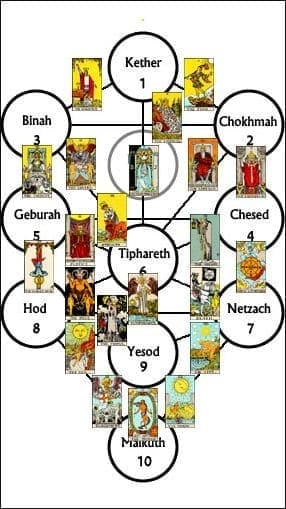
- Contacting Spiritual Forces Other Than God: The Bible warns against worshipping or contacting spiritual forces other than the one God [Deuteronomy 18: 1-22, 1 Corinthians 10:20]. Kabbalistic practices, especially when combined with other beliefs, can be seen as attempting to connect with spiritual entities or forces outside the direct worship of God as understood in Christianity. Kinda like “The Force” in Star Wars.
- Angel Adoration and Hierarchy: Kabbalah often places significant emphasis on angels and their roles in divine hierarchy. However, the New Testament, particularly in [Colossians 2:18], warns against the “worship of angels,” emphasizing that worship should be directed solely to God through Christ.
- Conflicting Views on God and Creation: Kabbalistic ideas, such as the concept of God creating “lesser gods” or a complex system of divine emanations (Sefirot) through which the universe is sustained, are not supported by Christian scripture. The New Testament openly condemned Gnostic and Mystical ideas that attempted to infiltrate the early church, and some see Kabbalah as having similar characteristics, including pantheistic tendencies. [John 1:14, Colossians 2:9]
- Gnosticism and Kabbalah: Both share mystical themes and dualism. The Jewish mystical tradition shares striking structural parallels: divine emanations, an unknowable God beyond all names, the problem of evil, and hidden knowledge available only to initiates. Hollywood films and musicians constantly introduce these themes from practicing Kabbalists. [2 John 1:7-8,
- Syncretism and Doctrinal Purity: Combining Kabbalistic concepts with Christian faith can lead to Syncretism, the blending of different, often contradictory, religious beliefs. From a Christian perspective, this can dilute or corrupt core biblical truths about God, Jesus Christ, and salvation. (Mysticism is a Common Thread in all man-made religions.
- Alternative Paths to Restoration/Messiah: Some Kabbalistic teachings suggest that human actions (doing good and avoiding sin) can restore divine light to its source and even usher in the Messiah’s arrival. (False Christ) This contrasts with the Christian belief in salvation and reconciliation with God solely through faith in Jesus Christ. [Matthew 24:24, Luke 21:8, Titus 1:16]
An Occult Tradition They’re Hiding In Plain Sight | Kabbalah
Kabbalah Exposed: Magic, Golems & Western Occult Secrets: Video Historical Look
The Forbidden Secrets Of Jewish Kabbalah – Freemason Manly P. Hall: An Occult Channel Overview
Strang Fire: The Rise of Gnosticism in the Church (Also a mystical Secret Knowledge lie)